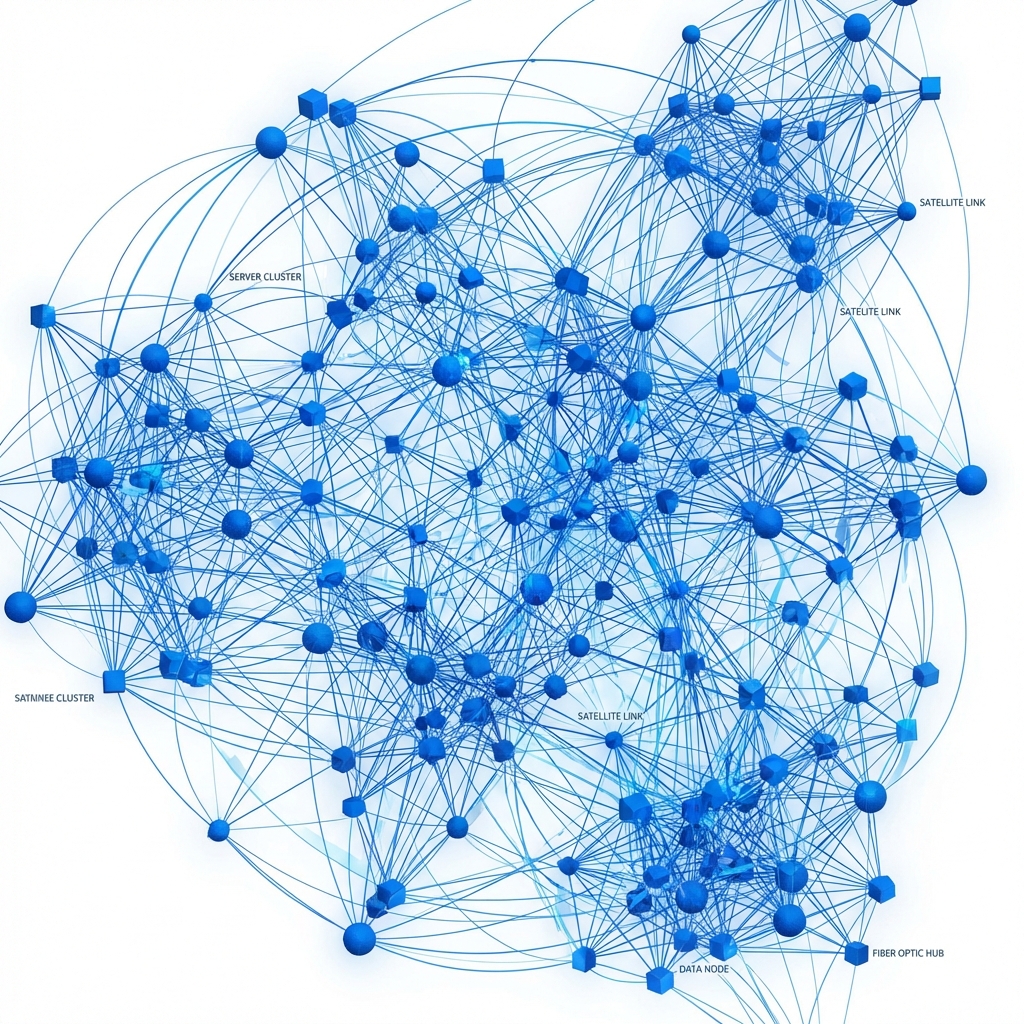
The internet is built on centralized infrastructure. Large Telecoms own the fiber, the towers, and the spectrum. But a new movement called DeWi (Decentralized Wireless) wants to change that using blockchain incentives.
The Concept
Projects like Helium or Pollen Mobile incentivize individuals to build the network.
- You buy hardware: A small 5G cell or Wi-Fi hotspot ($500).
- You deploy it: Put it in your window or on your roof.
- You earn crypto: You get paid tokens (like $HNT) for proving you provide coverage.
Reality vs Hype
- IoT (Internet of Things): It works. Helium covers vast areas for low-bandwidth sensors (scooters, dog trackers).
- 5G/Home Internet: It's struggling. A cell tower needs a massive fiber "backhaul" to feed 500 users. Your home cable connection isn't fast enough to be a backbone for the neighborhood.
The Future for ISPs
Web3 won't replace ISPs; it will extend them. ISPs can offload traffic to these "micro-cells" in dense areas, reducing their own CapEx. It's a partnership model, not a hostile takeover.
Key Takeaway
Decentralized networks are an exciting evolution, shifting power from monopolies to communities. While not a replacement for high-speed fiber yet, they effectively fill the gaps in the traditional coverage map.
Web3BlockchainNetworking
Share: