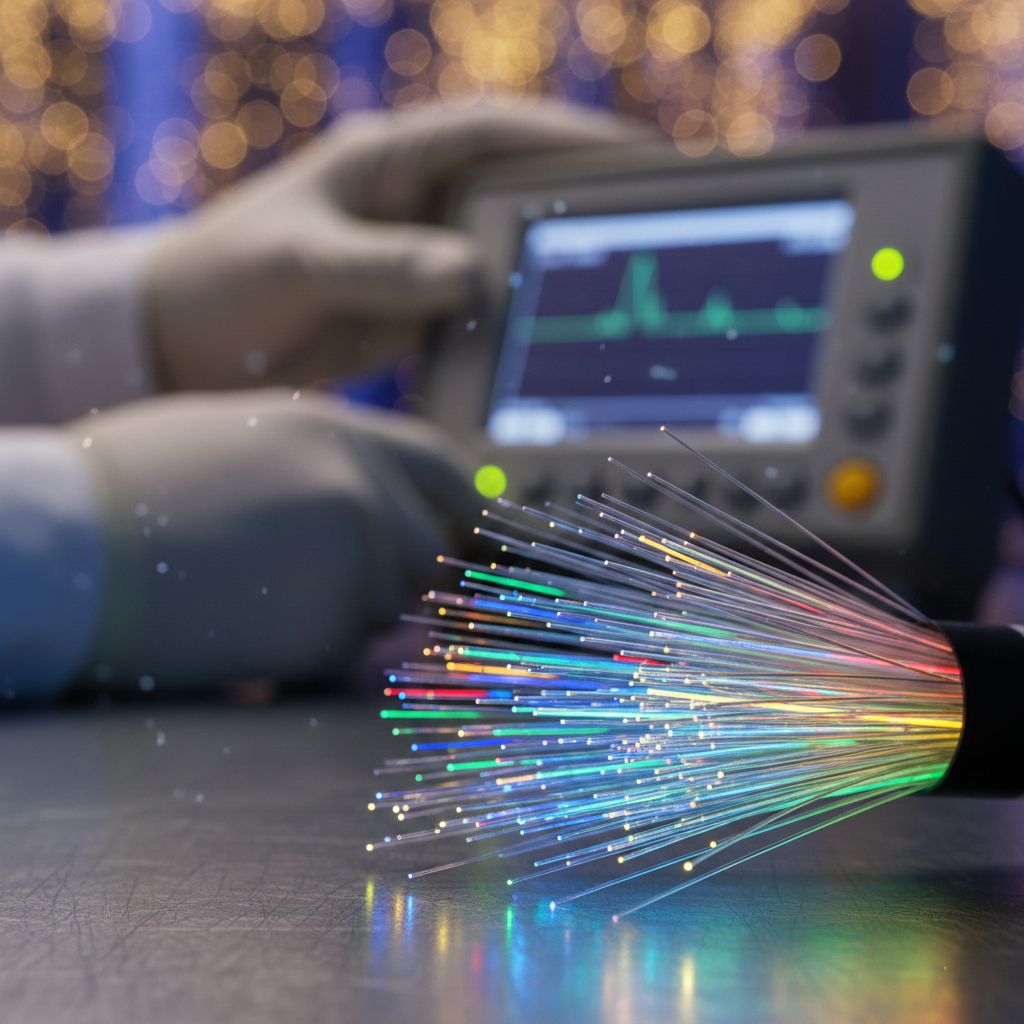
Fiber networks offer exceptional reliability, but when problems occur, troubleshooting requires specialized approaches. Systematic diagnosis isolates issues efficiently, minimizing customer impact and technician time.
Symptom Categories
Fiber problems manifest in distinct patterns. Complete signal loss suggests physical breaks or equipment failures. Intermittent connectivity often indicates marginal connections, dirty connectors, or damaged cables that function under some conditions. Performance degradation without connectivity loss points to signal quality issues.
Understanding symptom patterns guides investigation direction. Random, weather-correlated failures suggest water ingress. Consistent problems with specific customers point to last-mile issues. Network-wide performance degradation indicates core or upstream problems.
Optical Power Measurement
OTDR (Optical Time Domain Reflectometer) is the essential fiber troubleshooting tool. It sends light pulses and analyzes reflections to map the entire fiber path, identifying breaks, splices, connectors, and bend losses with precise distance measurements.
OPM (Optical Power Meter) measurements at connection points verify received signal strength. Comparing actual readings against expected values identifies excessive loss. Power budget calculations determine whether optical margins remain adequate.
Common Issues
Dirty connectors cause surprising proportions of fiber problems. Microscopic contamination degrades connection quality significantly. Inspection scopes reveal contamination; proper cleaning often resolves issues without component replacement.
Macro-bends—fiber bent beyond minimum radius—introduce loss that may not cause immediate failure but degrades performance. Micro-bends from improper stapling or crushing create similar effects.
Logical Troubleshooting
Not all "fiber problems" originate in fiber. OLT and ONT equipment failures, configuration errors, and software issues produce symptoms that appear physical. Layer-wise troubleshooting—physical connectivity, then optical power, then link negotiation, then protocol function—systematically isolates root causes.
Documentation Value
Baseline measurements during installation create references for future troubleshooting. Knowing expected optical power at each point accelerates diagnosis when problems occur. Maintain fiber documentation including splice locations, connector types, and measured losses.