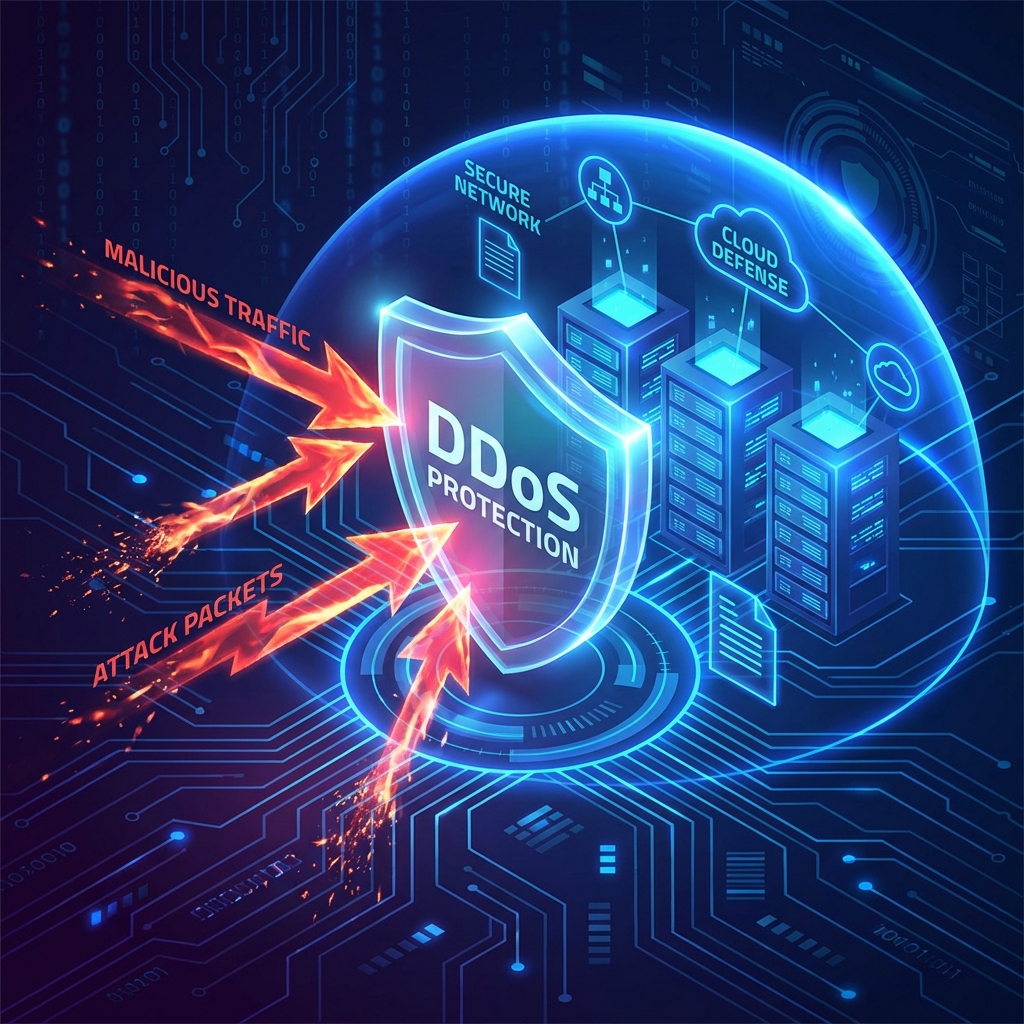
DDoS attacks threaten both ISP infrastructure and customer services. Attack volumes have grown exponentially—terabit-scale attacks that once made headlines now occur routinely. Preparation isn't optional; it's operational necessity.
Understanding Attack Types
Volumetric attacks flood links with traffic, overwhelming available bandwidth. Amplification techniques like DNS reflection and memcached abuse multiply attacker power dramatically. A modest botnet can generate massive traffic volumes using unwitting amplifiers.
Protocol attacks exhaust server resources rather than bandwidth. SYN floods, fragmentation attacks, and similar techniques consume connection tables and processing capacity. Smaller in volume, they're often harder to filter without sophisticated analysis.
Application layer attacks target specific services with legitimate-seeming requests. These attacks require deepest inspection to identify and mitigate, as individual requests may appear normal.
Mitigation Architecture
Upstream filtering represents the first defense layer. Work with transit providers to implement remote-triggered blackhole (RTBH) routing for attacked addresses. This sacrifices availability of targeted addresses but protects the broader network.
Scrubbing centers provide more sophisticated protection, routing traffic through cleaning facilities that identify and drop attack packets while passing legitimate traffic. Cloud-based scrubbing services—Cloudflare, Akamai, Arbor—scale massively but add latency and cost.
On-premise mitigation appliances handle smaller attacks without external dependencies. Placement at network edge filters attacks before they consume internal resources.
Operational Preparation
Develop runbooks before attacks occur. Under attack conditions, stress impairs decision-making; documented procedures ensure consistent, effective response. Include escalation contacts, mitigation steps, and communication templates.
Monitor baseline traffic patterns. Anomaly detection requires understanding normal to identify abnormal. Sudden traffic spikes, unusual protocol distributions, or traffic from unexpected geographies warrant investigation.
Customer Protection
Customers increasingly expect DDoS protection bundled with connectivity. Consider offering tiered protection services—basic included, advanced as premium add-on. This creates revenue while differentiating your service from commodity alternatives.